Why Modern City Life Feels More Isolated Than Ever
Cities have long been symbols of opportunity, innovation, and progress. They offer better jobs, world-class infrastructure, endless entertainment, and access to conveniences that previous generations could only dream of. Luxury apartments, food delivery apps, ride-hailing services, coworking spaces, and smart technologies promise a life of comfort and efficiency.
Yet amid all these advantages, a surprising reality is emerging: many urban residents are lonelier than ever.
This is the urban paradox—people move to cities seeking a better quality of life, only to discover that the comforts they purchase often come with an unexpected cost: social isolation.
The Promise of Urban Comfort
Modern cities are designed to make life easier. Need groceries? They arrive at your door within hours. Want dinner from your favorite restaurant? A few taps on your smartphone make it happen. Need transportation? Ride-sharing services are available around the clock.
Urban living offers convenience at an unprecedented scale.
High-rise apartments provide security, privacy, and amenities such as gyms, swimming pools, and coworking lounges. Smart home devices automate daily routines. Remote work eliminates long commutes. Everything seems optimized for comfort.
On the surface, this appears to be progress. But beneath the convenience lies a growing disconnect from the very communities that once made cities vibrant social ecosystems.
Surrounded by Millions, Connected to Few
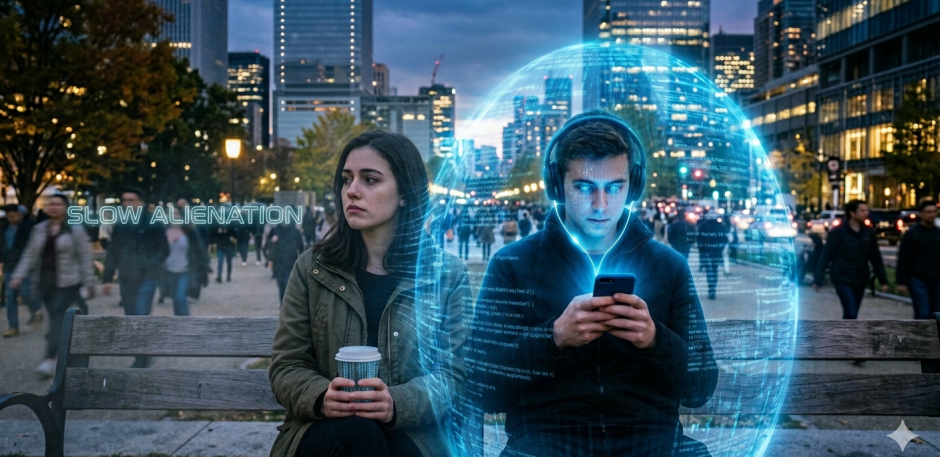
One of the greatest ironies of urban life is that loneliness often increases as population density rises.
A person can live in a city of millions and still feel completely alone.
In smaller communities, social interaction is often unavoidable. Neighbors know one another. Local businesses recognize regular customers. Community events create opportunities for meaningful relationships.
In contrast, urban environments frequently encourage anonymity. Residents may share walls with dozens of neighbors without ever exchanging a conversation. People pass each other daily in elevators, trains, and crowded streets while remaining strangers.
The result is a form of social isolation hidden within constant physical proximity.
Convenience Is Replacing Community
Many services that improve efficiency also reduce opportunities for human interaction.
Consider how daily life has changed:
- Online shopping replaces visits to local stores.
- Food delivery reduces restaurant interactions.
- Streaming services replace community entertainment venues.
- Remote work limits workplace relationships.
- Self-service technology reduces face-to-face communication.
Individually, these innovations save time. Collectively, they remove many of the casual social encounters that once helped people build connections.
These seemingly small interactions often play a significant role in creating a sense of belonging. Without them, daily life can become increasingly transactional and emotionally distant.
The Luxury of Privacy—and Its Consequences
Privacy is one of the most valued aspects of modern urban living. People invest heavily in gated communities, private transportation, exclusive amenities, and personalized services.
While privacy offers comfort and security, excessive isolation can create emotional challenges.
The modern city increasingly caters to individual lifestyles rather than collective experiences. Residents can exercise, work, shop, eat, and entertain themselves without ever engaging with their broader community.
The outcome is a lifestyle that feels efficient but often lacks meaningful social connection.
Digital Connections, Real Loneliness
Technology has made communication easier than ever. Social media platforms, messaging apps, and virtual communities allow people to stay connected across continents.
However, digital interaction is not always a substitute for genuine human relationships.
Many urban professionals spend hours online while experiencing limited face-to-face engagement. Notifications, likes, and comments can create the appearance of social connection without delivering the emotional depth that comes from shared experiences and meaningful conversations.
As screen time increases, opportunities for authentic human interaction often decline.
The Mental Health Impact
Loneliness is no longer viewed as a personal issue alone—it is increasingly recognized as a significant public health concern.
Research consistently links chronic loneliness to:
- Increased stress levels
- Anxiety and depression
- Reduced emotional well-being
- Lower life satisfaction
- Poorer physical health outcomes
Ironically, many individuals who have achieved the urban dream of financial stability and modern comfort still report feeling disconnected from others.
This highlights an important truth: comfort can improve convenience, but it cannot replace human connection.
Rebuilding Community in Modern Cities
The solution is not to abandon cities or reject technological progress. Urban innovation has delivered enormous benefits and continues to improve quality of life.
Instead, the challenge is creating balance between convenience and connection.
Urban residents can strengthen social bonds by:
- Participating in local events and community programs
- Supporting neighborhood businesses
- Joining hobby groups and social clubs
- Working from shared spaces occasionally
- Building relationships with neighbors
- Prioritizing in-person interactions alongside digital communication
City planners and developers also have a role to play by designing public spaces that encourage interaction, collaboration, and community engagement.
The Future of Urban Living
As cities continue to evolve, success should not be measured solely by efficiency, technology, or luxury amenities.
A truly successful city is one that helps people feel connected, supported, and part of something larger than themselves.
The future of urban development must prioritize not only smart infrastructure but also meaningful human relationships. Communities thrive when people have opportunities to meet, interact, and build trust with those around them.