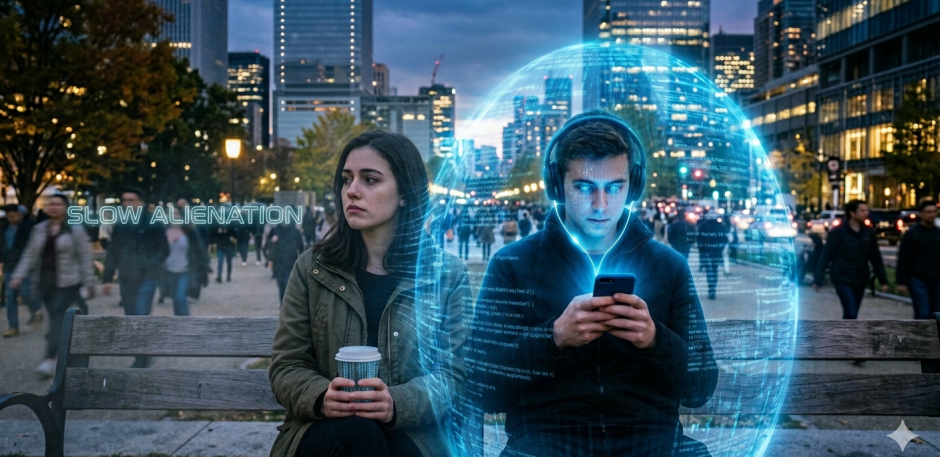
Never before in human history have we enjoyed so much comfort. With food delivered to our doorsteps, entertainment available at the touch of a button, remote work opportunities, and smart homes that automate daily tasks, modern facilities have transformed the way we live. These innovations save time, increase efficiency, and make life more convenient than ever.
Yet beneath this layer of comfort lies a growing concern: are modern conveniences slowly isolating us from one another?
As society becomes increasingly optimized for personal convenience, many people are experiencing reduced social interaction, weaker community bonds, and a growing sense of loneliness. The very facilities designed to improve our quality of life may be quietly reshaping how we connect with the world around us.
The Rise of a Self-Contained Lifestyle
Modern infrastructure is increasingly designed to minimize effort. Grocery delivery apps eliminate the need to visit local markets. Streaming platforms replace community entertainment venues. Online shopping reduces trips to retail stores. Remote work decreases daily interactions with colleagues.
While each innovation offers clear benefits, together they create a lifestyle where individuals can spend days—or even weeks—without meaningful face-to-face interaction.
In the past, daily activities naturally encouraged social encounters. People met neighbors while shopping, chatted with coworkers in shared offices, and built relationships through community events. Today, many of these opportunities have been replaced by digital alternatives that prioritize speed and convenience over human connection.
Technology and the Illusion of Connection
Social media platforms promise connectivity, yet many users report feeling more isolated despite being constantly online.
Digital communication allows us to maintain contact across distances, but it often lacks the emotional depth of in-person interactions. Likes, comments, and short messages can create an illusion of social engagement while leaving deeper emotional needs unmet.
Studies consistently show that excessive screen time and heavy reliance on digital communication can contribute to feelings of loneliness, anxiety, and social disconnection. While technology connects devices effortlessly, connecting people on a meaningful level remains a far greater challenge.
Smart Cities, Smarter Isolation?
Urban development increasingly focuses on convenience-driven infrastructure. Gated communities, private transportation, self-checkout systems, and automated services all reduce the need for direct human interaction.
Ironically, many modern cities are becoming more crowded while residents feel increasingly alone.
The design of many urban environments prioritizes efficiency over community. Public gathering spaces, neighborhood centers, and local social hubs are often replaced by private, personalized experiences. As a result, people may live physically close to thousands of others while feeling emotionally distant from everyone around them.
Remote Work: Freedom with a Trade-Off
The rise of remote work has revolutionized professional life. Employees enjoy flexibility, reduced commuting time, and improved work-life balance. Businesses benefit from lower operational costs and access to global talent.
However, remote work can also reduce spontaneous social interactions that naturally occur in traditional workplaces.
Casual conversations, shared lunches, brainstorming sessions, and workplace friendships often contribute significantly to mental well-being. When work becomes entirely virtual, employees may struggle to maintain a sense of belonging and community.
For many professionals, the challenge is no longer productivity—it’s preventing social isolation.
The Loneliness Epidemic
Health experts increasingly describe loneliness as a public health concern. Despite unprecedented technological advancement, many individuals report feeling disconnected from friends, family, and their communities.
Modern facilities make independence easier than ever, but independence is not the same as connection.
Human beings are inherently social creatures. We thrive through shared experiences, cooperation, and meaningful relationships. When convenience removes the need for interaction, it can unintentionally weaken the social structures that support emotional health.
The result is a paradox: we have more ways to communicate than ever before, yet many people feel less connected.
Finding Balance in a Convenience-Driven World
The solution is not to reject modern technology or abandon convenient facilities. These innovations have improved countless aspects of life and continue to offer tremendous value.
Instead, the goal is balance.
Individuals can actively create opportunities for genuine human connection by:
- Participating in local community activities
- Working occasionally from shared spaces or offices
- Supporting local businesses
- Engaging in face-to-face conversations
- Limiting excessive screen time
- Building stronger neighborhood relationships
Communities and urban planners can also prioritize spaces that encourage social interaction, collaboration, and public engagement.